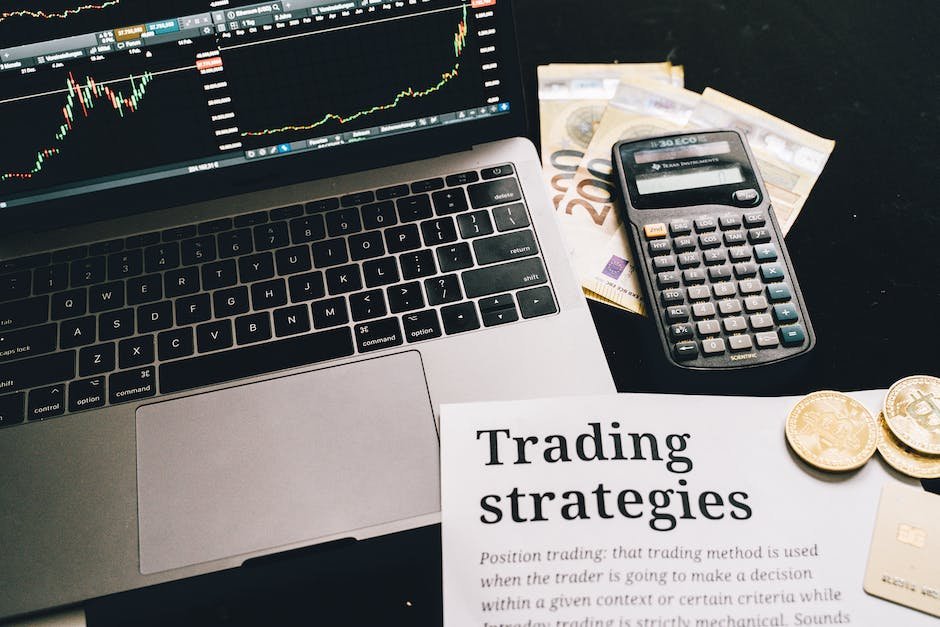
The advent of digital technology has fueled an exponential growth in cryptocurrency, a form of online based monetary exchange. However, alongside its rise in popularity, the cryptocurrency market has seen an alarming increase in associated scams. Scams are notably prevalent on various online forums, becoming a sinister playground for unscrupulous individuals and organizations aiming to defraud unsuspecting investors. This has sounded the alarm bells for businesses and individuals engaged in cryptocurrency transactions. In this blog post, we aim to highlight the types of cryptocurrency scams common on online forums and shed light on the red flags you need to watch out for. Understanding these scams is crucial in enabling a secure and responsible venture into the world of cryptocurrency. Stay tuned and stay vigilant.
What Are Cryptocurrency Scams?
Cryptocurrency scams are fraudulent schemes aimed at deceiving individuals, often with the false promise of substantial returns on their insider knowledge or trading prowess.
These scams often operate on online platforms such as forums where the scammer assumes a credible persona to garner trust.
Common types of cryptocurrency scams include pump and dump schemes, where the culprit manipulates the price of a lesser-known cryptocurrency for personal gain, and Ponzi schemes, promising consistent high returns to investors.
Companies may also misuse Initial Coin Offerings (ICOs) to raise funds without the intention of following through on their business plans.
The victims of these scams typically lose their investments when the scammer disappears or the scheme collapses. It’s crucial that we shine a light on the red flags to look out for to prevent such incidents.
Familiarizing Yourself with Online Forums

In the digital world, online forums constitute an integral part of the community. They’re platforms where users from around the globe discuss, share insights, and seek advice on countless topics – cryptocurrency being one.
Understanding the mechanics of forums can help in discerning precisely what’s legitimate and what’s not. Each forum generally has sections or ‘threads’ where discussions on specific subjects take place. The authenticity of information can be often gauged via the number of users partaking in a thread or the longevity of the person posting.
Be aware of inactive or new accounts pushing for certain investments, as these are potential red flags. Familiarize yourself with the forum rules, regulations, and the reporting system to effectively counteract possible attempts at deceit. Always remember to cross-verify any information before conducting financial transactions.
High-Risk Areas: Cryptocurrency Forums to Avoid
Recent spikes in cryptocurrency prices have attracted crowds to various online forms. Unfortunately, some of these forums are rife with deceptive practices and scams.
For instance, Bitcointalk.org, despite its reputation, hosts threads teeming with dubious investment opportunities. Meanwhile, forums like Cryptocurrencytalk and Allcryptotalk are also notorious for their scam-laden discussions.
Stay clear of threads that make unrealistic promises or pressurise for immediate investment. Remember, high return investment opportunities typically come with high risks.
Private messaging is another arena where scammers frequently operate, offering exclusive ‘investment deals’. Always exercise caution when dealing with unsolicited offers.
Remember, if it sounds too good to be true, it probably is. Stay vigilant, consult with trustworthy sources, and always conduct your own research before making any investments. The pursuit of quick riches often leads to quick losses. Be safe, and trade smart.
Recognizing Red Flags: Understanding Scam Tactics
Scammers leverage the anonymity and technological complexity of cryptocurrency to dupe innocent investors. It’s essential to recognize the red flags to steer clear from fraudulent deals.
Beware of too-good-to-be-true promises. Returns on crypto investment, like any investment, can never be guaranteed.
Be vigilant when facing aggressive sales pitches or when coerced to act quickly. Genuine opportunities don’t need high-pressure tactics.
Be cautious of unsophisticated communication like grammatical errors, capitalization mistakes, and unprofessional language; typically, these are signs of scam operations.
Lastly, high levels of secrecy or convoluted explanations of the investment process can indicate a scam. Legitimate investment opportunities can answer your questions clearly and transparently.
Remember, not falling victim to scams starts with awareness and scrutiny.
Fake ICOs: An Emerging Cryptocurrency Scam
The surge in popularity of cryptocurrencies has brought with it a rise in deceptive practices, one of the most prominent being fake ICOs (Initial Coin Offerings). These fraudulent operations act as funding mechanisms, where a company launches a new cryptocurrency and sells it to investors.
Typically, scammers will create sophisticated websites and white papers detailing their cryptocurrency and its future. Lured by the potential high returns, unsuspecting investors buy tokens that ultimately hold no value.
Experts advise potential investors to research the team behind the ICO, verify their identities and confirm their real-world connections. Additionally, analyzing the project white paper and seeking advice from legal and financial professionals can thwart such scams. Be vigilant, and remember – if it sounds too good to be true, it probably is.
Bait and Switch: Deceptive Exchange Rates
One common trick in the book of cryptocurrency scams is the bait and switch technique involving deceptive exchange rates.
Here’s how it works:
Scammers entice victims with attractive exchange rates on popular online platforms. Once you’re hooked, they deftly switch to less favourable rates during the transaction process.
In other instances, they go ahead and manipulate live prices to coax unsuspecting traders into making impulse trades. Such duplicitous rates inevitably result in you losing your hard-earned money.
Always proceed with caution. Keep in mind that in the promising world of digital currency, if the deal appears too good to be true, it probably is. Turn to trusted sources to cross-check rates before diving into any transactions.
Don’t fall victim to the bait, be aware of the switch.
Protecting Yourself: Staying Safe on Online Forums
As you navigate across online forums and cryptocurrency discussions, you need to remain vigilant and implement proactive measures to safeguard yourself against scams.
One major step you can take is conducting extensive research. Digital currencies are complex, so understanding them inside and out will create a robust protection layer against fraudsters.
Additionally, be skeptical of offers that seem too good to be true. Many scams lure unsuspecting victims with promises of incredibly high returns. It’s essential to bear in mind, if it seems too advantageous, it probably is.
Always practice safe transactions. Avoid sharing personal information and passwords, particularly with people you’ve met on these forums. Securing your digital wallets with strong, unique passwords can also ward off potential scammers.
Remember, your safety is paramount. It’s important to remain proactive in monitoring and securing your activities on online forums.
Recovering Losses: What If You’ve Been Scammed?

If you fall victim to a cryptocurrency scam, it’s important not to panic.
Firstly, always contact your local law enforcement and report the scam to the FTC or the Internet Crime Complaint Center. You can also reach out to your financial institution or card provider to report about the fraudulent transaction. They might be able to help you recover your losses.
Sadly, getting your money back in the crypto world — especially if the scam is based overseas — can be a challenging feat. What you should do instead is share your experience online to raise awareness and to prevent others from falling for similar scams. Always be vigilant and take precautions when dealing with cryptocurrencies. It’s better to be safe, rather than sorry.