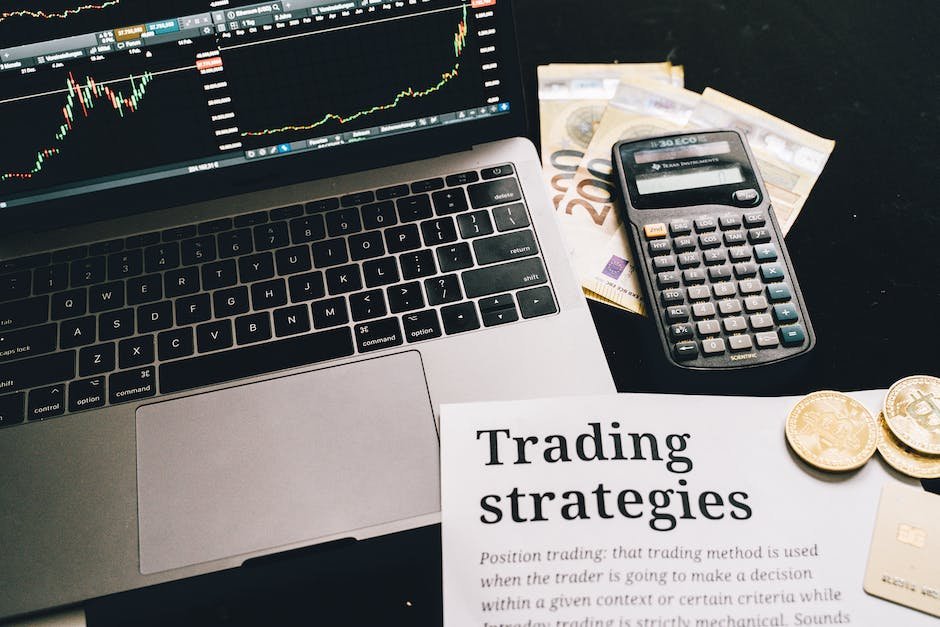
In the dynamic world of cryptocurrency, altcoins present an enticing investment opportunity for both novices and seasoned investors. As the financial universe continues to evolve at an unprecedented speed, so too does the need for stringent security measures. While each altcoin investment promises potential growth and financial freedom, it also holds a degree of risk, particularly in the realm of digital wallet security.
This article delves into the intricate world of altcoin wallet security. It’s designed to enlighten you on the ways to safeguard your precious altcoin investments. Learning the ropes of securing a digital wallet is more than a necessity; it’s a first step into ensuring your financial destiny against potential threats in the cryptocurrency market. Brace yourself for an enlightening journey into the world of altcoin wallet security.
Importance of Altcoin Wallet Security

Protecting your Altcoin portfolio is of vital importance, especially as cryptocurrencies begin to make bigger waves in the financial world.
The decentralized nature of Altcoin, while a key advantage, also opens numerous loopholes for hackers and cyber criminals. Your Altcoin wallets represent not only your investment but also your hard-earned money.
Securing it must be a top priority.
A breach in your wallet security could lead to a considerable financial loss not to mention the emotional stress that comes with a loss of this magnitude.
Moreover, as the crypto market is volatile, timing is crucial. An untimely wallet breach can potentially lock you out of significant gains.
This is why focusing on and understanding Altcoin wallet security is not just important – it is imperative. In the rapidly proliferating world of cryptocurrencies, it’s a case of the survival of the secured.
Types of Altcoin Wallets: Pros and Cons

A variety of altcoin wallets exist, each boasting unique features and security measures. Software wallets, for instance, are popular for their simplicity and ease of access. However, they may be more susceptible to hacking, with security entirely dependent on user behavior and the security of the device being used.
On the other hand, hardware wallets are dedicated devices that store altcoins offline, offering increased security against cyber-attacks. Their drawback lies in their cost and the potential risk of losing access to the device.
Online wallets are another option offering ease of access from any location, but again, they are vulnerable to hacks.
Paper wallets, while effective against cyber theft, can be easily physically lost or damaged.
It’s crucial to weigh these pros and cons to choose the right wallet type for your altcoin security.
How to Choose the Right Altcoin Wallet
Choosing the right altcoin wallet is crucial for ensuring security and ease of access to your altcoin assets. Here are some pointers to guide you through the process.
Type of Wallet: Consider whether you want a digital wallet or a hardware wallet. Digital wallets are more convenient, but hardware wallets offer more security.
Compatibility: Ensure that the wallet supports the altcoins you own or plan to own. Each altcoin has its specific requirements, so conduct thorough research.
Security Features: Look out for wallets with high-security measures such as two-factor authentication, recovery options, and advanced encryption mechanisms.
User Experience: The wallet should be user-friendly with a straightforward interface to manage your altcoin portfolio efficiently.
Remember, the ultimate goal is to maintain safe, secure, and easy access to your valued altcoin assets.
Fundamental Security Measures for Your Wallet
When operating within the realm of digital currency, particularly with lesser-known altcoins, a primary concern is the security of your investment. Provided that the concept of deterrent goes hand-in-hand with functionality, we come to our first fundamental measure; Use only reputable wallets.
Reliability is vital, opt for wallets with a proven track record of robust security features. These include two-factor authentication (2FA) and multi-signature protection.
Secondly, encryption is your friend. Encrypting your wallet requires a password to shield against unauthorized access. However, an easily guessable password negates these benefits. Therefore, use strong, unique passwords and keep them safe.
Remember, it is pivotal to regularly update your wallet software. Updates often contain valuable security enhancements.
And finally, consider cold storage options for substantial amounts. Online wallets are convenient but vulnerable, offline “cold” storage is less accessible but more secure.
Be proactive, don’t be a victim, secure your wallet today.
Importance of Regularly Backing-Up Your Wallet
Ensuring the security of your altcoin assets includes more than just robust passwords and two-factor authentication. Regularly backing up your wallet is an indispensable step in this process.
Picture this scenario: your device crashes or gets lost. Without a backup, restoring your altcoin assets can be impossible. Backups empower you against these unforeseen circumstances. It’s more than an insurance policy; it’s a necessity.
So how often should one backup their wallet? Ideally, after every transaction. This may seem tedious, but it’s much less costly than losing your altcoin investments.
In conclusion, regularly backing up your altcoin wallet is not just a safety measure to protect your assets, but a vital ritual to carry out for potential device failures or losses. It brings peace of mind, guaranteeing the safety of your investment.
Understanding Private Keys and Their Role
Understanding private keys is elemental to secure your altcoin assets. A private key, simply put, is a sophisticated form of cryptography ensuring secure transactions.
Consider these private keys as secret codes known only to you that allow you to access and manage your cryptocurrency. Without your private key, you cannot authorize transactions and thus, lose control over your altcoins.
Furthermore, losing a private key is equivalent to losing your digital assets, as there’s no way to retrieve a lost key.
Therefore, it’s vital to store these keys in a secure place not prone to hacking. More on that in the section to follow. Keep reading to learn more about the best practices in safeguarding your private keys and your digital investments.
Role of Two-Factor Authentication in Wallet Security
As we delve deeper into the world of digital currencies, the increasing importance of security cannot be overstated. An often overlooked but essential tool in altcoin wallet security is Two-Factor Authentication (2FA).
2FA adds an extra layer of security by requiring not only a password and username but also something that only the user has on them, i.e., a piece of information only they should know or have immediately at hand – such as a physical token.
Using a username and password together with a piece of information that only the user knows makes it harder for potential intruders to gain access and steal that person’s personal data or altcoin assets. A substantial number of online services, including altcoin wallets, offer two-factor authentication, providing an extra safeguard for the protection of your account.
Remember, the safer your altcoins, the more confident you can be in your virtual trading or holding endeavors.
Dodging the Dangers: Recognizing Common Altcoin Scams
As part of your strategy to ensure altcoin wallet security, it is important to anticipate the potential dangers posed by altcoin scams.
The first type of scam to watch out for is the “Pump and Dump” scheme. Here, unscrupulous individuals artificially boost an altcoin’s value, only to sell off large amounts, driving prices down and causing significant losses for unsuspecting investors.
Another common scam is the “Exit Scam”. This occurs when altcoin developers, suddenly vanished after raising funds through Initial Coin Offerings (ICOs).
Lastly, “Fake Wallet” scams are becoming increasingly prevalent. Scammers trick victims into storing their altcoins in a non-secure wallet, only to drain the funds.
By recognizing and avoiding these scams, you safeguard your altcoin assets significantly.