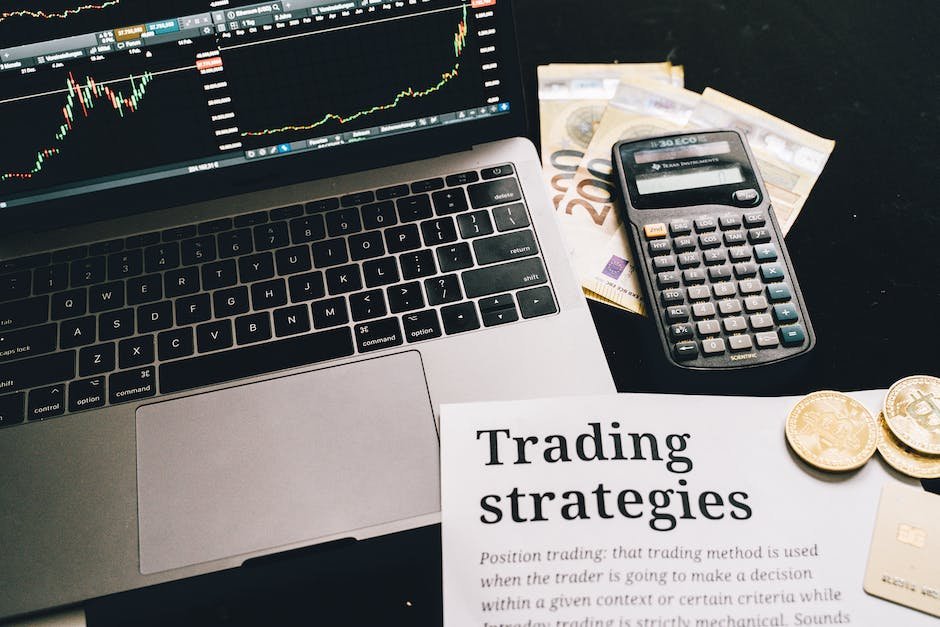
Limit orders are a fundamental tool for traders looking to maximize their profits and minimize their risks in the world of cryptocurrency trading. These orders allow traders to set specific buying or selling prices for a particular cryptocurrency, which are then executed automatically when the market reaches the desired price level.
The concept behind limit orders is simple yet powerful. Instead of executing a trade immediately at the prevailing market price, traders can specify their preferred price for buying or selling a cryptocurrency. This gives them more control over their trades, as they can wait for the market to move in their favor and execute the trade at their desired price.
One of the key benefits of using limit orders is the ability to capitalize on market inefficiencies. By setting a buy limit order below the current market price, traders can take advantage of potential price dips or market corrections. This strategy is known as “buying the dip,” allowing traders to accumulate more cryptocurrency when prices temporarily drop.
On the other hand, setting a sell limit order above the current market price allows traders to lock in profits when the market moves in their favor. By selling at a predetermined price, traders can ensure they capitalize on positive price movements and avoid missing out on potential gains.
Furthermore, limit orders also provide traders with the luxury of time. Instead of closely monitoring the market and executing trades manually, traders can simply set their desired buy or sell prices and let the exchange automatically handle the execution. This not only reduces the stress and mental strain associated with active trading but also frees up time for traders to focus on other aspects of their investment strategy.
Lastly, limit orders can be particularly useful in volatile markets, such as the cryptocurrency market. As prices can fluctuate rapidly, setting a limit order ensures that trades are executed at the desired price, even if the market moves quickly. This helps traders avoid slippage, which occurs when the execution price deviates significantly from the intended price, resulting in potential loss of profits.
In summary, limit orders offer several advantages for cryptocurrency traders on exchanges. They provide control over trade execution, allow for capitalizing on market inefficiencies, offer the luxury of time, and mitigate the risks associated with volatile markets. By utilizing limit orders effectively, traders can enhance their trading strategies and increase their chances of achieving profitable outcomes in the exciting world of cryptocurrency trading.
Explanation of how limit orders work on cryptocurrency exchanges (detailing the process of placing a limit order and setting the desired price and quantity)

A limit order is a commonly used trading strategy on cryptocurrency exchanges, allowing traders to have more control over their buy or sell orders. When placing a limit order, traders specify the desired price and quantity at which they are willing to trade.
The process of placing a limit order is relatively straightforward. Firstly, the trader chooses the cryptocurrency pair they want to trade and selects the limit order option on the exchange platform. They then input the desired price at which they wish to buy or sell the cryptocurrency and specify the quantity they want to trade.
Setting the desired price is crucial as it ensures that the order is executed only at the specified price or better. For example, if a trader wants to buy Bitcoin at $10,000 and sets a limit order with that price, the order will only be executed if the market price reaches or falls below $10,000.
The quantity specified in the limit order determines the amount of cryptocurrency the trader wants to buy or sell. It is essential to carefully consider the quantity, as it affects the likelihood of executing the order successfully.
The advantage of using limit orders is that they provide traders with greater control over their trades. By setting a specific price, traders can ensure they enter or exit the market at a desired level. This can be particularly useful during periods of high volatility when prices can change rapidly.
Additionally, limit orders can help traders avoid unnecessary losses. Placing a limit order to sell above the current market price can prevent unexpected price drops from resulting in substantial losses. On the other hand, setting a limit order to buy below the current market price may allow traders to buy at a lower price during market corrections or dips.
Furthermore, limit orders can save traders time and minimize the constant monitoring of the market. Instead of placing market orders, which are executed immediately at the prevailing market price, traders can set limit orders and leave it to the exchange to execute the trade automatically when the specified price is met.
While limit orders offer several benefits, it is essential to consider potential drawbacks as well. If the market fails to reach the specified price, the limit order may remain unfilled. This could result in missed trading opportunities, especially during fast-moving markets. Therefore, it is crucial to set limit orders at reasonable prices that align with the overall market conditions.
In conclusion, limit orders provide cryptocurrency traders with greater control over their trading activities. By setting a specific price and quantity, traders can define their desired entry and exit points, potentially maximizing profits and minimizing losses. However, it is important to carefully consider market conditions when setting limit orders to ensure they are reasonable and provide the desired outcomes.
Advantages of using limit orders for cryptocurrency trading (highlighting benefits such as price control, reduced risk, and increased profitability)
Limit orders are a popular tool for cryptocurrency traders on exchanges due to their numerous advantages. One of the key benefits of using limit orders is the ability to have control over the price at which you buy or sell cryptocurrencies. Unlike market orders where the trade is executed immediately at the best available price, limit orders allow you to set a specific price at which you are willing to buy or sell.
By using limit orders, you can take advantage of market volatility to get a more favorable price for your trades. For example, if you believe that the price of a particular cryptocurrency will drop in the near future, you can set a limit order to buy at a lower price than the current market price. This way, when the price reaches your desired level, the order will be executed automatically, helping you to potentially buy the cryptocurrency at a discounted price.
Another advantage of using limit orders is the reduced risk that they offer. By setting a specific price at which you are willing to execute a trade, you can avoid sudden price fluctuations and minimize the impact of market manipulations. This is particularly important in the highly volatile world of cryptocurrency trading, where prices can change rapidly within seconds. Limit orders help you to be more disciplined in your trading approach, preventing you from making impulsive decisions based on short-term price movements.
Furthermore, limit orders can also increase your profitability in cryptocurrency trading. By setting a target price for buying or selling, you can ensure that you are only entering trades at levels that are favorable to your overall strategy. This helps you to avoid overpaying for cryptocurrencies or selling them at lower prices than desired. By staying disciplined and patient, you can aim for more profitable trades and potentially increase your returns in the long run.
In conclusion, using limit orders on exchanges for cryptocurrency trading offers several advantages. They provide you with control over the price at which you buy or sell, reduce the risk of sudden price fluctuations, and increase the potential for profitability. Incorporating limit orders into your trading strategy can help you optimize your trades and achieve better results in the volatile world of cryptocurrency trading.
Mitigating the impact of market volatility using limit orders (discussing how limit orders can protect investors from sudden price fluctuations and minimize losses)
Limit orders are a valuable tool for cryptocurrency traders on exchanges, particularly when it comes to mitigating the impact of market volatility. In the ever-changing landscape of the crypto markets, sudden price fluctuations are not uncommon, making it essential for investors to have effective strategies to protect their investments.
By using limit orders, traders can set specific price points at which they are willing to buy or sell a particular cryptocurrency. This means that a trade will only execute when the market reaches the specified price, ensuring that traders are not subject to unfavorable market conditions.
One of the key benefits of using limit orders is that they provide protection against sudden price swings. Cryptocurrencies are notorious for their volatility, with prices capable of spiking or plummeting within minutes or even seconds. By setting a limit order, investors can avoid buying or selling at undesirable prices when the market experiences an unexpected surge or crash.
Additionally, limit orders can minimize losses by allowing traders to secure more favorable entry and exit points. For instance, if a cryptocurrency is currently trading at $10, but an investor believes it is overvalued and wants to buy at a lower price, they can set a limit order to purchase the asset at $8. If the price drops to $8 or below, the order will be executed, ensuring the investor buys the asset at their desired price. This way, they are not forced to buy at a higher, potentially inflated price.
Moreover, limit orders grant traders more control over their trading strategies. By setting specific price points, investors can execute trades based on their analysis or predetermined targets, rather than succumbing to impulsive decisions influenced by emotions or market noise. This level of control can significantly enhance a trader’s ability to make rational, well-informed decisions in a highly volatile marketplace.
In conclusion, utilizing limit orders on exchanges is a powerful strategy for mitigating the impact of market volatility on cryptocurrency trading. These orders enable investors to protect themselves from sudden price fluctuations, minimize losses, and maintain greater control over their trading activities. By incorporating limit orders into their trading strategies, cryptocurrency traders can navigate the volatile markets with increased confidence and efficiency.
Strategies for utilizing limit orders effectively (providing tips on setting appropriate price levels and timing for limit orders)
One of the key strategies for effectively utilizing limit orders on cryptocurrency exchanges is to set appropriate price levels and timing for your orders. This approach can help you optimize your trading decisions and increase the likelihood of executing trades at desirable prices. Here are some tips to consider when setting limit orders:
1. Understanding Support and Resistance Levels:
Before placing a limit order, it’s crucial to analyze the support and resistance levels for the cryptocurrency you’re trading. Support levels indicate prices where the cryptocurrency has historically found buyers, while resistance levels refer to prices at which selling pressure has been observed. By setting limit orders slightly above support levels or below resistance levels, you can increase the chances of your order being filled while taking advantage of potential price reversals.
2. Monitoring Market Depth:
Market depth refers to the list of buy and sell orders at different price levels. By monitoring the market depth, you can gain insights into the current market sentiment and determine appropriate price levels for your limit orders. Look for areas with significant order volumes and consider setting your limit orders near these levels to increase the likelihood of execution.
3. Utilizing Technical Analysis:
Using technical analysis tools and indicators can help you identify potential price trends and patterns. For instance, if you notice a cryptocurrency’s price consistently bouncing off a particular moving average, consider setting your limit orders near it to take advantage of potential reversals. Technical analysis can provide valuable guidance when determining the most suitable price levels for your orders.
4. Setting Realistic Price Targets:
While it’s natural to want to maximize profits, setting overly aggressive price targets may result in your limit orders never getting executed. It’s important to set realistic price targets based on the market conditions and historical price movements of the cryptocurrency. Analyze the potential upside and downside risks, and consider setting limit orders at levels that align with your trading strategy and risk appetite.
5. Keeping an Eye on Market Volatility:
Cryptocurrency markets are known for their volatility, with prices experiencing rapid fluctuations. While this volatility can present opportunities for profits, it can also lead to significant price gaps that may result in orders being missed. It’s essential to be mindful of market volatility and adjust your limit order prices accordingly. Placing limit orders too far from the current market price might result in missed trade opportunities, so it’s important to strike a balance between setting reasonable price levels and capturing potential profits.
Overall, utilizing limit orders effectively requires a combination of research, market awareness, and disciplined trading strategies. By setting appropriate price levels and timing for your limit orders, you can enhance your trading results and mitigate risks in the volatile world of cryptocurrency exchanges.
Comparison with market orders and the drawbacks of using market orders exclusively (contrasting the advantages and disadvantages of market orders in comparison to limit orders)
When it comes to trading cryptocurrencies on exchanges, there are two primary types of orders traders can use – market orders and limit orders. While market orders are the most straightforward and commonly used, there are several drawbacks to exclusively relying on them for cryptocurrency trading.
One of the key disadvantages of market orders is the lack of control over the execution price. When placing a market order, the trade is executed immediately at the best available market price. This means that you may end up buying or selling the cryptocurrency at a higher or lower price than you anticipated, especially during times of high volatility. The rapid price movements in the crypto market can result in slippage, where the execution price deviates significantly from the expected price.
Another drawback of market orders is the potential for encountering excessive trading fees. Some exchanges charge higher fees for market orders as they require immediate execution. These fees can accumulate, particularly for frequent traders or those dealing with large volumes. Additionally, market orders can be more susceptible to price manipulation, especially in illiquid markets, leading to unfavorable trading conditions and increased costs.
On the other hand, limit orders offer certain advantages over market orders. By setting a specific price at which you want to buy or sell a cryptocurrency, limit orders provide greater control and precision. When placing a limit order, you are essentially placing an offer to the market, stating that you are willing to buy or sell at your specified price or better. This allows you to take advantage of potential price fluctuations and trade within your desired price range.
Using limit orders can also help protect traders from unexpected market movements. By setting a buy limit order below the current market price or a sell limit order above it, you can avoid making hasty decisions during volatile market conditions. This strategic approach allows you to wait for the price to reach your desired level before executing the trade, reducing the risks associated with sudden price changes.
Furthermore, limit orders can be cost-effective in terms of trading fees. Many exchanges offer lower fees for limit orders due to their longer time horizon for execution. This can be particularly beneficial for frequent traders, as the savings on trading fees can add up over time.
In summary, while market orders are simple and convenient, relying solely on them for cryptocurrency trading carries inherent risks. Limit orders, on the other hand, provide greater control over execution prices, protect against unexpected market movements, and can be more cost-effective in terms of trading fees. Incorporating limit orders into your trading strategy can help optimize your trading experience and enhance your overall profitability in the dynamic world of cryptocurrency trading.
Real-life examples of successful limit order implementations in cryptocurrency trading (sharing case studies or examples where using limit orders yielded positive results)
One notable example of a successful implementation of limit orders in cryptocurrency trading is the case of John, a seasoned trader who recognized the potential of Bitcoin during its sudden price surge. Sensing an opportunity, John decided to enter the market but wanted to control his risk exposure. He placed a buy limit order on a reputable cryptocurrency exchange, setting a specific price at which he was willing to purchase Bitcoin.
As the price of Bitcoin dipped to the level he had predetermined, John’s limit order automatically executed, ensuring that he acquired the cryptocurrency at his desired price. This strategic move allowed him to capitalize on the market’s volatility and secure a favorable position. Despite the subsequent price fluctuations, John’s limit order protected him from making an impulsive decision based on momentary market panic. By patiently waiting for the price to hit his predetermined target, John was able to avoid potential losses and enter the market at an optimal point.
Another compelling example of a successful limit order implementation is the case of Sarah, a long-term investor looking to diversify her cryptocurrency portfolio. Observing the growing popularity of a promising altcoin, she decided to allocate a portion of her investment funds to this particular asset. However, in order to strike a balance between her targeted entry price and potential market volatility, Sarah opted for a limit order.
Sarah set a buy limit order below the current market price, anticipating a potential price drop or a sudden dip caused by market fluctuations. Shortly after placing her order, the altcoin experienced a temporary downturn due to a broader market correction. Thanks to her limit order, Sarah was able to automatically purchase the asset at the desired price, taking advantage of the market’s temporary weakness. As the altcoin’s value eventually surged, Sarah benefited from a profitable investment while ensuring she entered the market on her terms.
These real-life examples demonstrate the usefulness of limit orders in cryptocurrency trading. By utilizing this trading strategy, investors and traders can exercise greater control over their buy or sell positions, mitigating the risks associated with volatile markets. Through limit orders, individuals can define their desired entry or exit points, adhering to predetermined price thresholds and avoiding emotional decision-making. Whether taking advantage of market dips or protecting against sudden price spikes, limit orders provide a tactical approach to cryptocurrency trading and allow traders to navigate the market with confidence and precision.
Addressing common misconceptions and concerns about using limit orders (clarifying any doubts or fears related to placing limit orders on exchanges)
When it comes to cryptocurrency trading on exchanges, one of the key tools that traders have at their disposal is the limit order. However, there can be a significant amount of confusion or apprehension when it comes to using limit orders effectively. In this section, we will address common misconceptions and concerns surrounding the use of limit orders on exchanges, aiming to clarify any doubts or fears you may have.
One common misconception is that limit orders are only for experienced or professional traders. This belief stems from the technical nature of limit orders, which can seem daunting to beginners. However, the truth is that limit orders are equally beneficial for traders of all levels. In fact, they can be especially useful for newcomers as they provide an opportunity to set specific price targets and avoid impulsive or emotional trading decisions.
Another concern often raised is related to the execution of limit orders. Some traders worry that their order may not be executed if the market price fails to reach their set limit. While this is a possibility, it is important to remember that limit orders function based on specific conditions being met. If the market fails to reach your set limit, your order will remain open until the conditions are met. This ensures that you have more control over your trading and can avoid sudden price fluctuations.
Furthermore, there is a misconception that limit orders are time-consuming and require constant monitoring. This is not necessarily true. Once you have set your limit order, it will be automatically executed when the market reaches the specified conditions. This means you can set your limits and relax, allowing the exchange to do the work for you. Of course, it is always advisable to keep an eye on the market and adjust your orders if necessary, but limit orders provide a convenient way to engage in trading without requiring constant attention.
Lastly, some traders express concern that limit orders limit their potential for profit. It is true that by setting specific price targets, you may miss out on some opportunities for gains if the market moves quickly. However, it is important to remember that limit orders also protect against losses and help to manage risk. By defining your buy or sell prices in advance, you eliminate the need for constant monitoring and reduce the chance of making impulsive decisions that could lead to significant losses.
In conclusion, using limit orders on exchanges offers numerous benefits for cryptocurrency trading. By addressing common misconceptions and concerns surrounding the use of limit orders, we hope to clarify any doubts or fears you may have had. Whether you are a beginner or an experienced trader, incorporating limit orders into your trading strategy can provide you with increased control, reduced risk, and a more disciplined approach to your cryptocurrency trading endeavors.
Understanding potential risks or limitations associated with limit orders (acknowledging the possible downsides or risks involved in using limit orders)

Understanding potential risks or limitations associated with limit orders:
While limit orders can be a powerful tool for cryptocurrency traders on exchanges, it is important to acknowledge and understand the potential risks or limitations that come with using them. Here are a few factors to consider before relying solely on limit orders for your trading strategy.
1. Market volatility: Limit orders are executed only when the market price reaches the specified level. However, in highly volatile markets, the price might move rapidly and bypass your limit order before it gets executed. This means that you might miss out on potential trading opportunities or end up buying or selling at a less favorable price.
2. Execution risks: Although limit orders guarantee a specific price or better, there is no guarantee that the order will be filled. If the market does not reach your limit price, your order may remain unexecuted. This risk becomes even more significant during periods of low liquidity or when trading highly volatile assets.
3. Partial fills: In fast-moving markets, limit orders can be partially filled. This means that only a portion of your order gets executed at your desired price, while the remaining quantity may be left unfilled or executed at a different price. This can lead to incomplete trades and potentially disrupt your trading strategies.
4. Cancelation or expiration: Some exchanges might have specific time limits on limit orders. If your order remains unexecuted within the given timeframe, it may be canceled automatically, requiring you to re-enter the order. It is essential to be aware of these time limits to avoid unexpected order cancelations.
5. Dependence on market depth: The execution of limit orders relies heavily on the available liquidity in the market. If there is insufficient liquidity at your specified price, your order may not be filled entirely, leading to potential delays or missed trading opportunities. Assessing the market depth and understanding the liquidity of the assets you trade is crucial when using limit orders.
While limit orders offer advantages for cryptocurrency traders, it is always important to evaluate the potential risks associated with this trading strategy. By understanding these limitations and having a well-rounded trading approach, you can make informed decisions and mitigate the impact of these risks on your trading activities.